

At the Committee of Supply 2026, HDB announced an enhanced approach to bring key amenities and services into new housing estates earlier in the development cycle. The goal is simple: the neighbourhood should already feel like a functioning place to live when residents collect their keys.
Traditionally, amenities such as coffee shops, supermarkets, childcare centres and bus services were introduced progressively as population levels in new Build-To-Order (BTO) estates grew. This ensured operational sustainability, but it also meant that early residents sometimes experienced a gap between moving in and having everyday conveniences within reach.
Planning for essential services will now be integrated earlier, with closer collaboration between agencies and service providers. As a result, selected amenities can be made available earlier.

For many households, the first few weeks in a new estate are defined by small but repeated journeys — to find groceries, locate childcare options or figure out the most efficient commute to work. The enhanced approach aims to shorten this adjustment period.
This can mean:
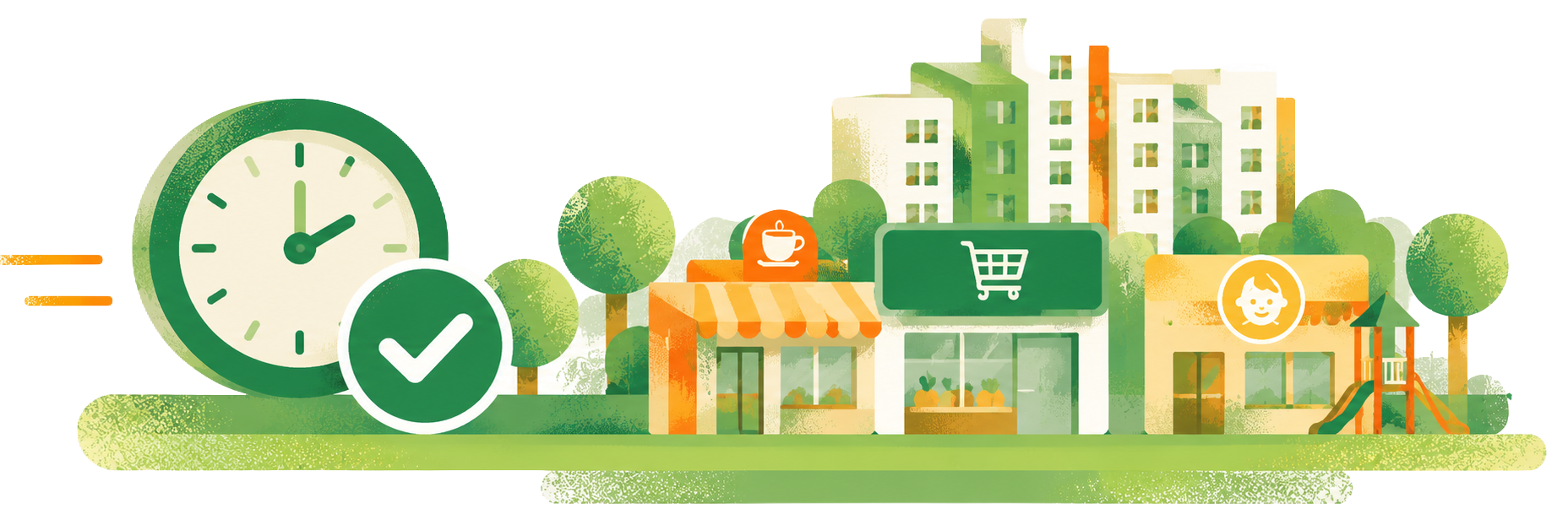 Essential daily needs becoming available earlier within the estate
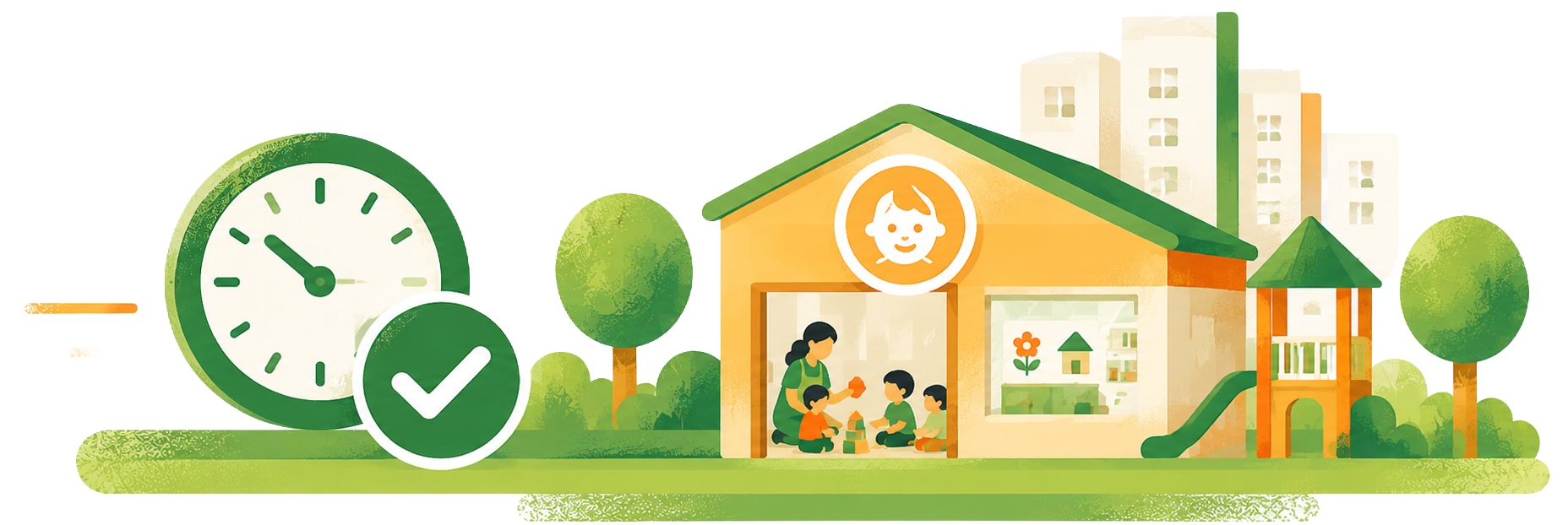 Childcare services beginning operations closer to initial occupancy
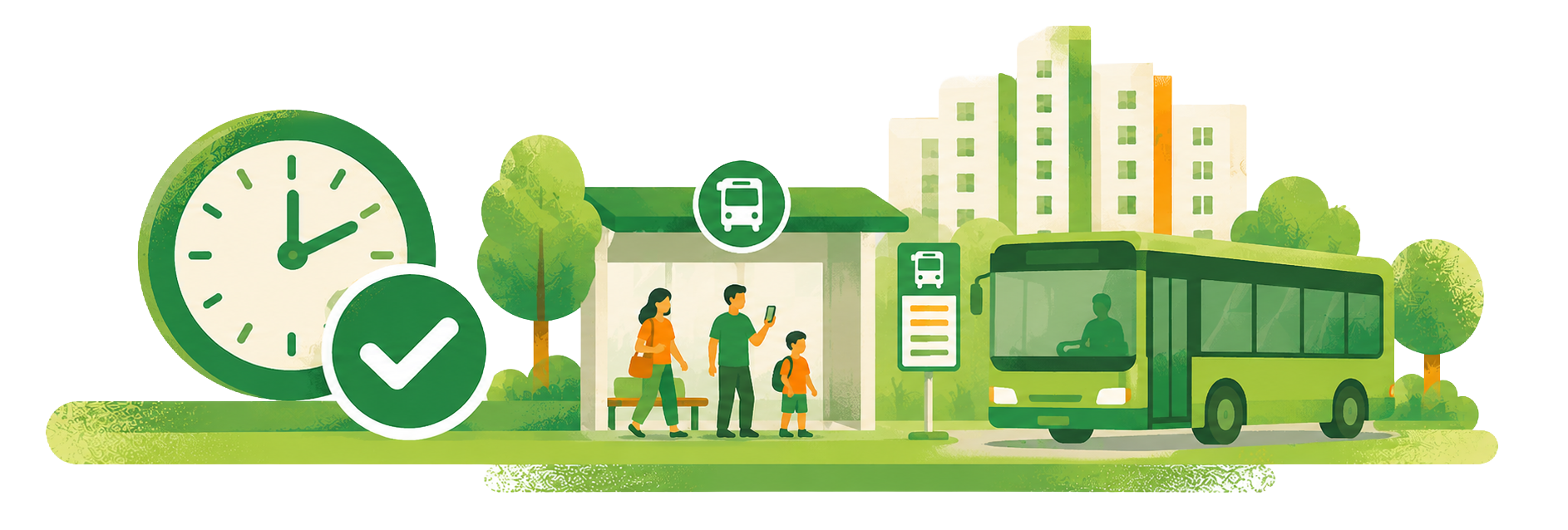 Transport connectivity being aligned more closely with key collection timelines
Here are four main changes that can help new estates transition more quickly into lived-in communities.
Finding The First Coffee Shop
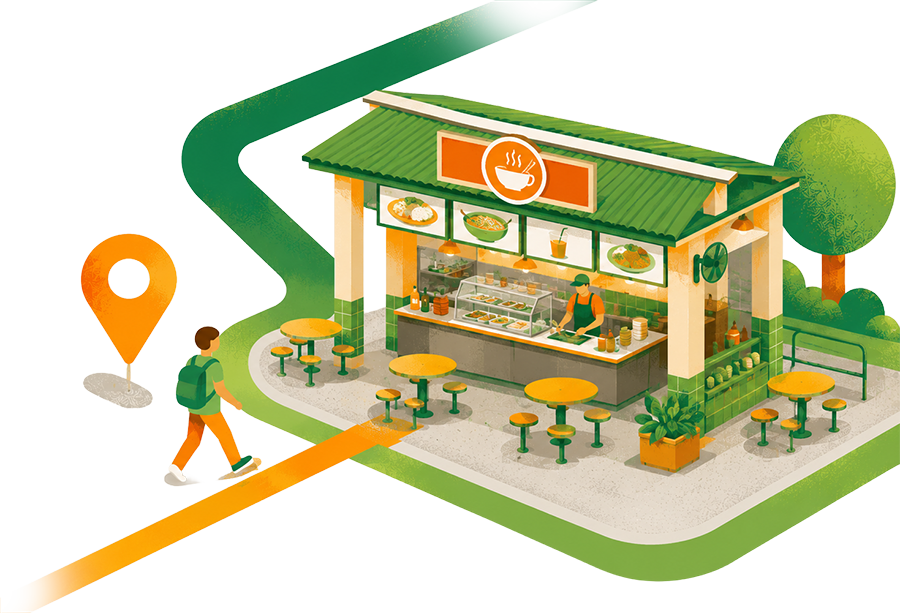
In every new estate, residents compare notes on where to buy groceries and where the nearest coffee shop is. The search for that first reliable kopitiam is often the unofficial beginning of neighbourhood identity. It becomes the place where morning routines settle, weekend breakfasts begin and familiar faces start to appear.
Under earlier development patterns, this process often unfolded slowly as commercial spaces filled up over time. With amenities arriving earlier in new estates, these everyday anchors can emerge sooner — helping residents establish routines faster and giving the neighbourhood an early sense of rhythm.
The Quiet Infrastructure Of Everyday Life
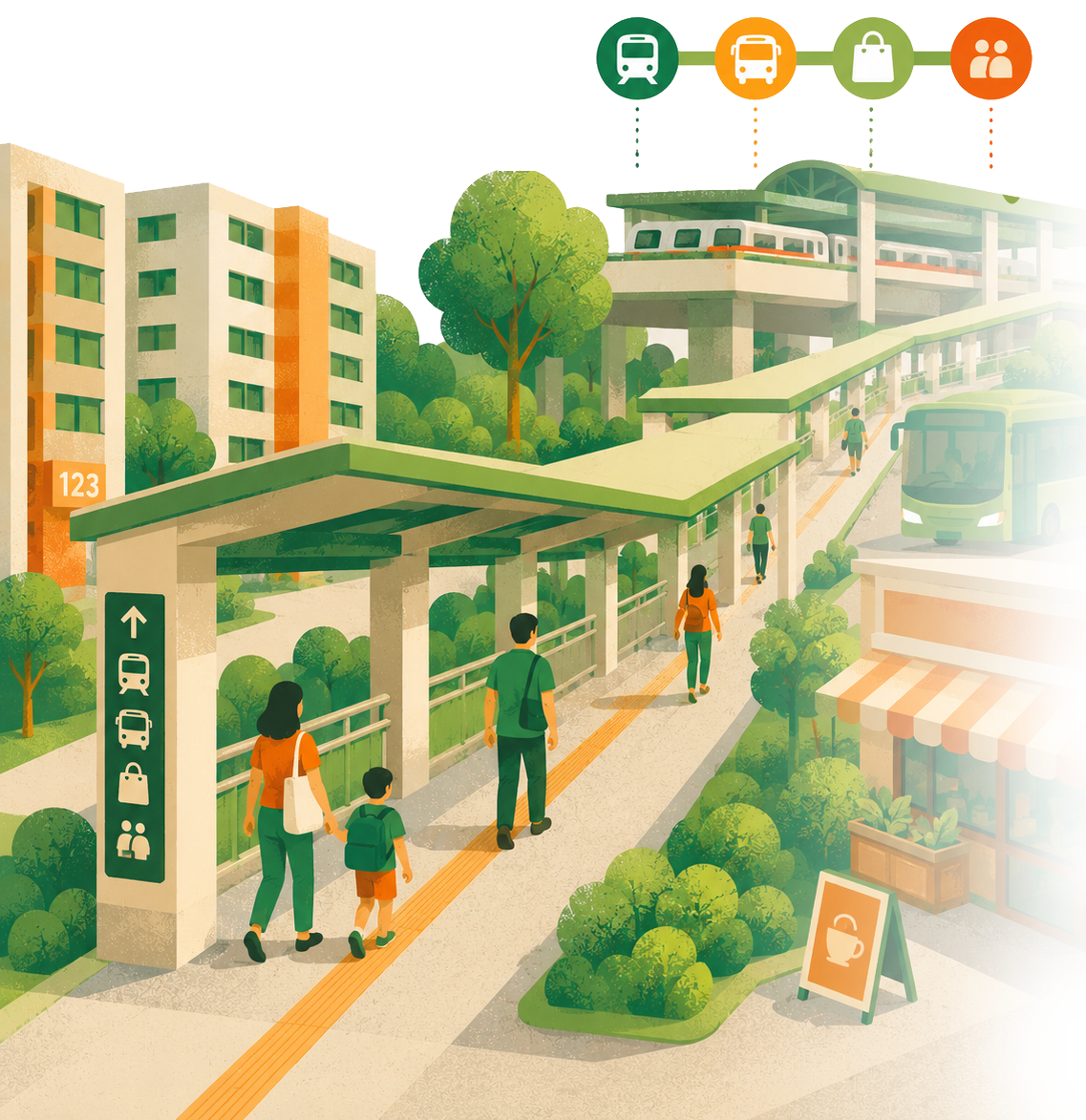
Some of the most important parts of a neighbourhood are also the least noticed. Sheltered linkways are one of them.
They connect homes to MRT stations, bus stops, shops and community spaces — quietly shaping how people move through their day. More importantly, they remove friction from everyday routines, especially in a climate where sudden rain is part of life. They support thousands of small decisions every day: whether to walk to the MRT, whether to run a quick errand, whether to head out despite the weather.
HDB has enhanced the provision of sheltered linkways in new BTO developments by connecting projects to key amenities such as neighbourhood centres, markets and food centres as well as community clubs. This expands on the previous provision, which focused mainly on bus stop connections.
A more extensive sheltered network allows residents to move more comfortably between homes, amenities and transport nodes, which can make a meaningful difference to daily life. Sheltered linkways do more than keep people dry as their presence reflects a broader principle in estate planning — that connectivity is not an afterthought, but part of how neighbourhoods are designed to work from the start.
Bringing Childcare Closer To Home
For young families moving into a new estate, settling in often revolves around one key question: how quickly daily routines can stabilise. Childcare is central to that equation.
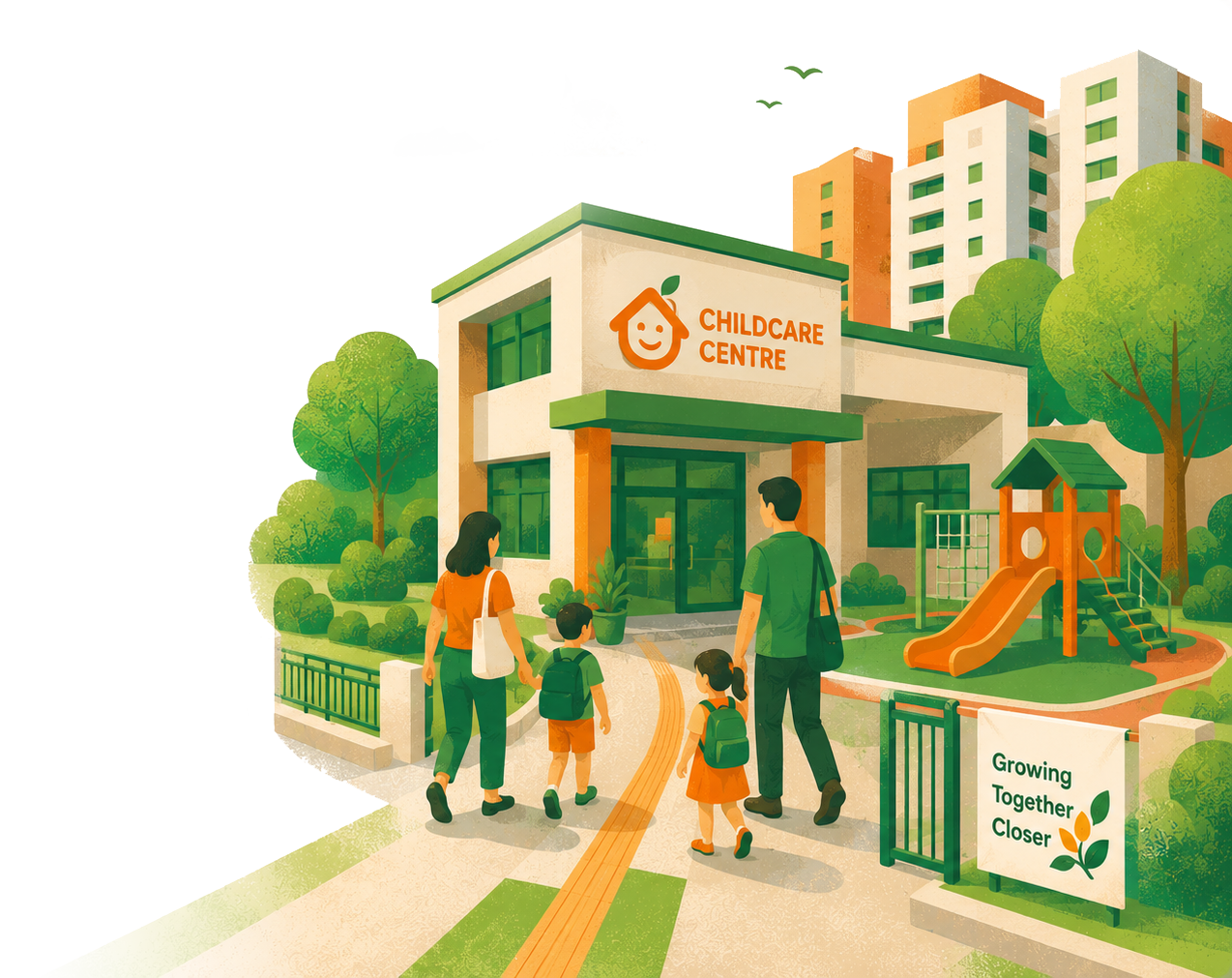
Under the enhanced planning approach, childcare centres in selected new BTO estates will commence operations earlier, which reduces the need for families to rely on facilities outside the estate during its early years.
For parents, the impact is practical and immediate — shorter commutes for drop-offs and pick-ups, fewer logistical constraints during work hours and greater certainty in daily planning. For children, it also means earlier opportunities to form friendships within their own neighbourhood, laying the foundation for a shared community experience from a younger age. Over time, these early connections often become the building blocks of stronger community.
Bus Services From Day One
When residents collect the keys to a new home, one of the first questions they often ask is simple: ‘How do I get to work from here?’ Transport connectivity plays a defining role in how quickly a new estate becomes fully usable.
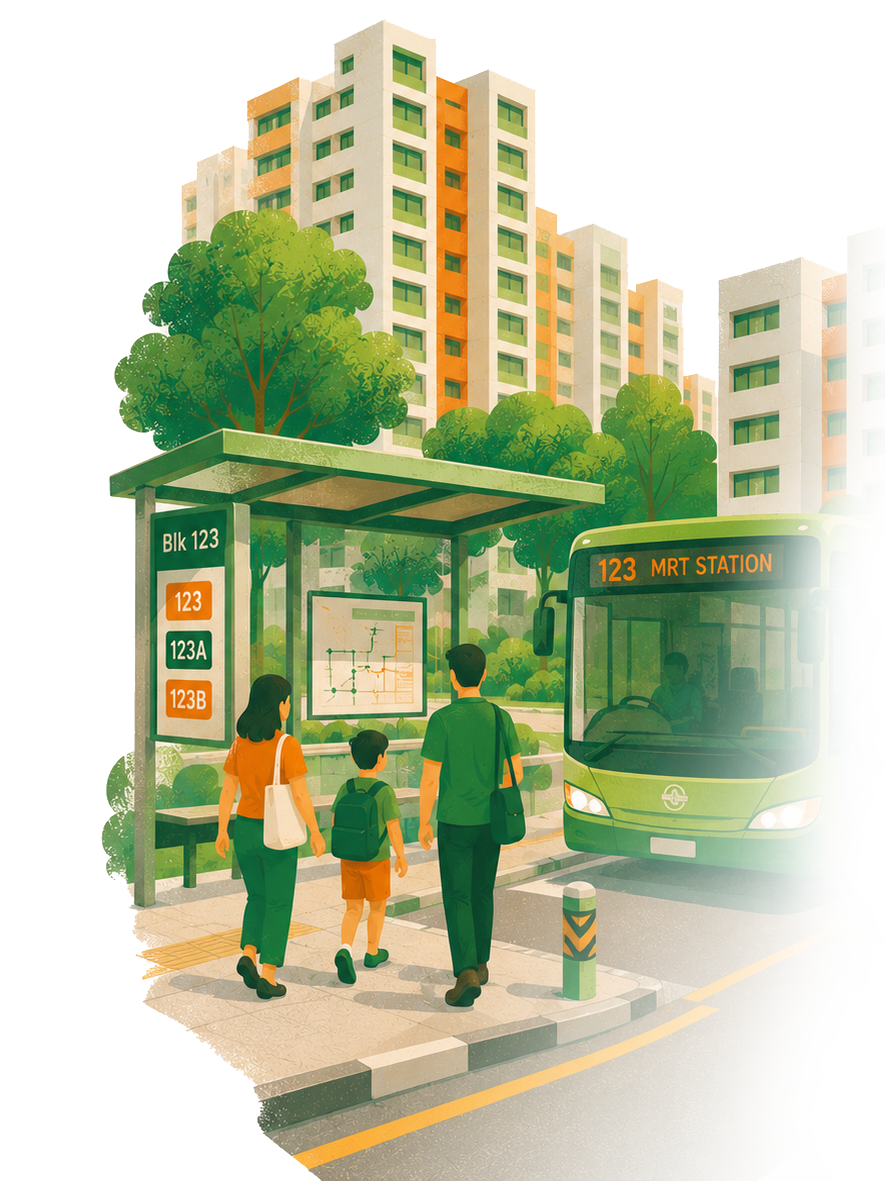
Recognising this, selected new BTO estates will see bus services introduced in tandem with first key collections. This marks a shift from traditional models where routes were phased in gradually as demand increased.
For residents, the benefit is straightforward: the ability to reach MRT stations, schools and workplaces easily. But the impact goes beyond convenience. Early transport availability helps shape how residents explore their surroundings, access amenities and begin forming daily habits within the estate.
In many ways, buses are what allows a new town to function as a connected whole.

The enhanced approach to earlier amenity provision reflects a broader shift in how new towns are conceived. Housing is not treated as a standalone delivery programme, but part of a coordinated process of community formation.
By aligning homes, services and transport more closely in time, new estates can move more quickly from construction sites into functioning neighbourhoods. Instead of arriving in just a new flat, residents are arriving in a place where everyday life can begin immediately.